Gpcomm Successful Completion of Workplace Stress Management and Emotional Intelligence Training
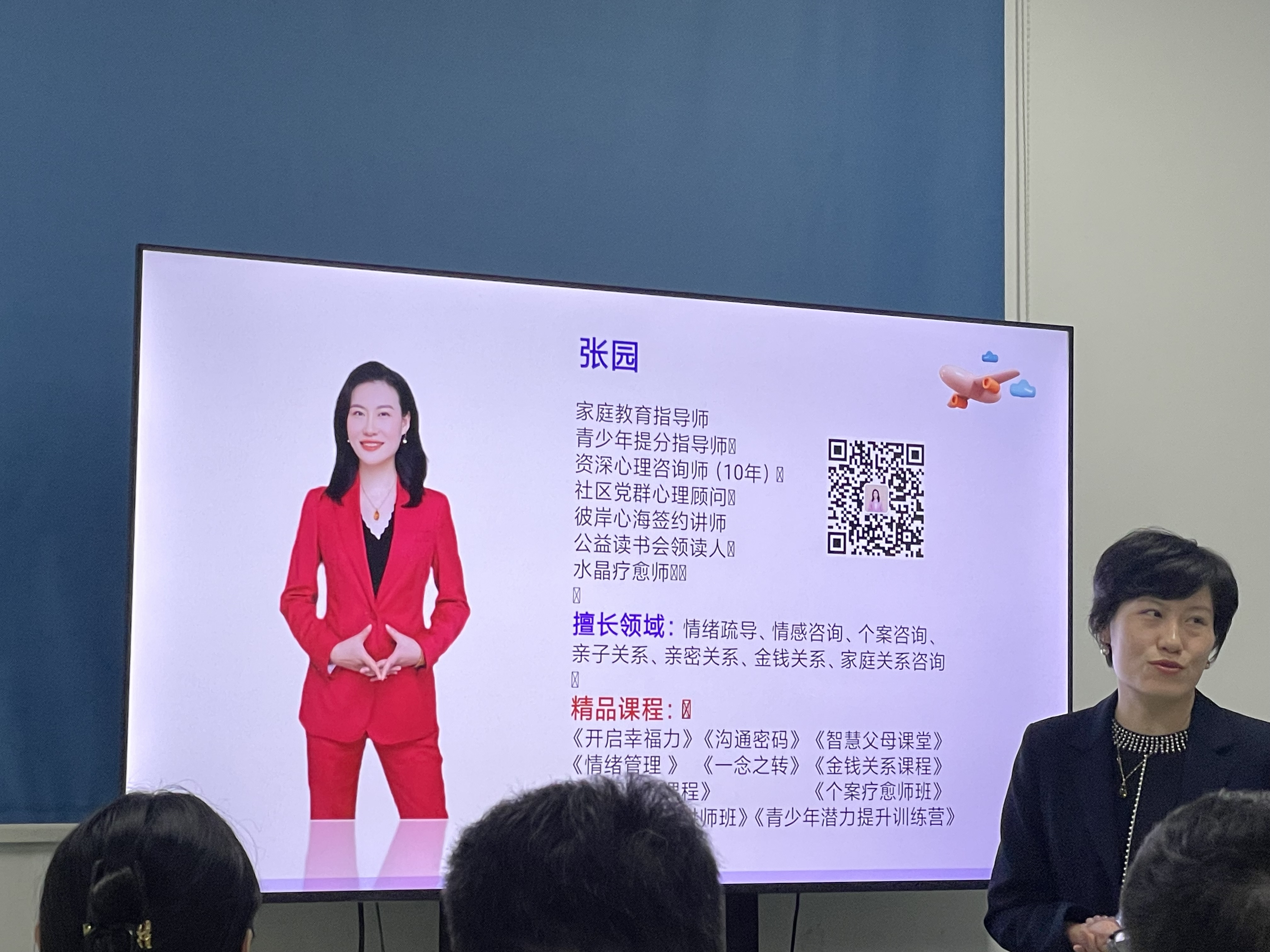
Successful Completion of Workplace Stress Management and Emotional Intelligence Training – Enhancing Team Well-being and Work Efficiency
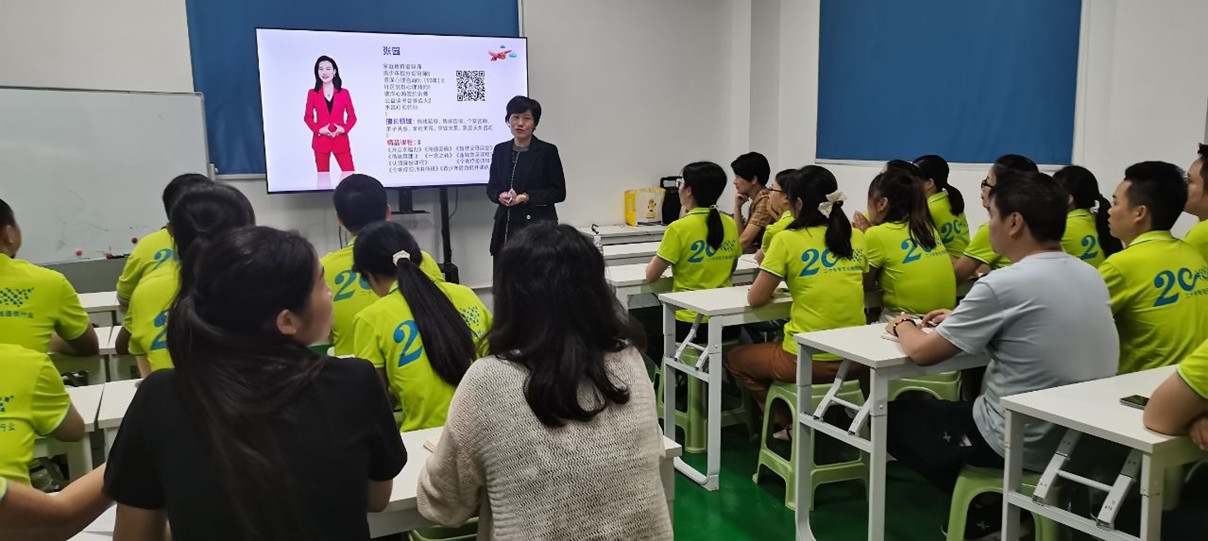
- Identifying and Managing Workplace Stress: Through case studies and interactive discussions, Ms. Zhang helped employees identify common stressors in the workplace and taught effective methods for managing and alleviating stress. Topics such as time management, task prioritization, and relaxation techniques were covered.
- Emotional Regulation and Self-management: Employees learned how to recognize the signals of emotional stress and how to use emotional regulation strategies to maintain calm and rationality, ensuring that emotions do not negatively impact decision-making or team dynamics.
- Communication Skills and Team Collaboration: Through role-playing and situational exercises, employees enhanced their ability to communicate effectively in high-pressure environments. They also learned how to use positive communication skills to foster better collaboration, reduce misunderstandings, and prevent conflicts.

Training Outcomes: Significant Improvement in Workplace Adaptability
After the training, employees reported that the content was highly relevant to the challenges they face in the workplace. Ms. Zhang’s explanations were clear and insightful, and many employees felt they gained practical tools and strategies to apply in their daily work. Key outcomes included:
- Stress Relief: By mastering stress management techniques, employees felt better equipped to handle the demands of their work. Many reported feeling less anxious and fatigued, particularly after learning more effective time management and task prioritization strategies.
- More Effective Emotional Regulation: Employees reported feeling more confident in their ability to manage their emotions. They became better at staying calm and composed in difficult situations, reducing impulsive decisions and emotional reactions.
- Improved Communication: Many departments reported a noticeable improvement in communication and collaboration following the training. There were fewer misunderstandings and conflicts, leading to a more harmonious work environment and improved overall efficiency.
Long-term Impact: Enhancing Company Culture and Productivity
This training not only helped employees improve their individual stress management and emotional regulation skills but also fostered greater understanding and collaboration among team members. With improved workplace adaptability, we are confident that employees will work more efficiently and contribute to creating a more harmonious and productive work environment.
Our company will continue to prioritize employee development by organizing similar training programs in the future. We are committed to supporting each employee's growth and helping them achieve greater success, which will, in turn, drive the company to new heights.
Conclusion
Through the “Workplace Stress Management” and “Emotional Intelligence” training, participants not only learned practical skills for handling workplace stress and emotional challenges but also improved their communication and collaboration with colleagues. We believe that in the future, each employee will be better equipped to face challenges with confidence and actively contribute to building stronger teams and driving the company’s success.
We would like to express our sincere appreciation to all participants for their enthusiasm and valuable feedback, which will help us continue to improve our training programs. Special thanks to Ms. Zhang Yuan for delivering such an insightful and impactful course. We look forward to offering more training opportunities like this in the future, empowering every employee to continue growing and achieving greater success in their careers.
20 Years of Power-Time: A Journey of Unstoppable Growth and Excellence
Celebrating 20 Years of Success: Power-Time's Journey through Yunnan
Related Article