Full-Duplex vs. Half-Duplex: Which Headset System Is Right for Your Team?
When it comes to choosing the right communication system for your team, particularly in industrial, tactical, or high-pressure environments, understanding the difference between full-duplex and half-duplex headset systems is key. Both have their benefits, but one might be better suited to your specific needs. Whether you’re managing a construction crew, coordinating with a SWAT team, or running a manufacturing line, making the right choice can enhance safety, efficiency, and productivity. In this post, we’ll break down the differences between these two systems and explore which one could be the best fit for your team.
What is Half-Duplex Communication?
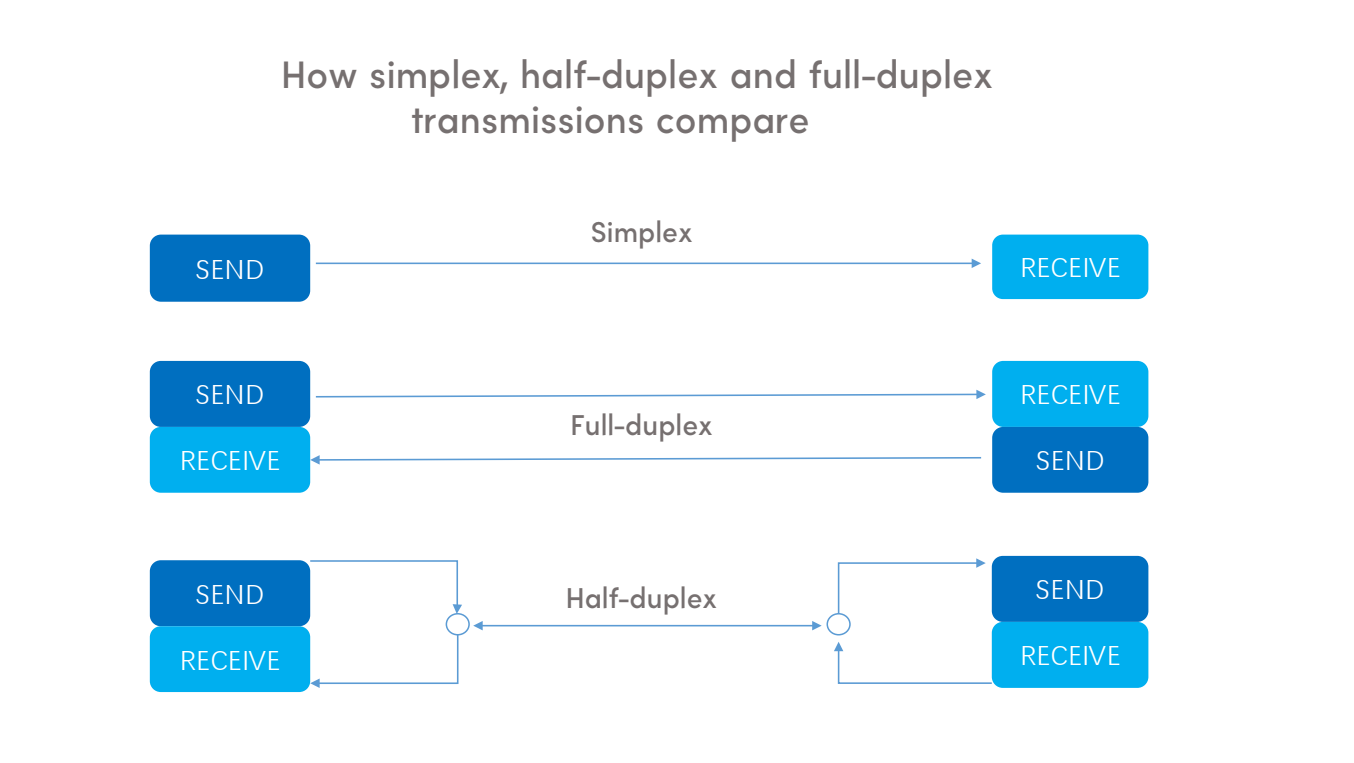
A half-duplex communication system allows one person to speak at a time, while the other listens. Think of it like a traditional two-way radio or walkie-talkie, where only one person can transmit their message at any given moment. To speak, the user typically presses a button to activate the mic, then releases it to listen. This simple system has been used for decades in various industries and still has its place in many operations today.
While half-duplex systems are relatively inexpensive and easy to use, they come with a few limitations. Most notably, the flow of communication is slower because only one person can speak at a time. This can lead to frustration when team members need to talk over each other to clarify instructions, or if there’s a delay in receiving critical information.
What is Full-Duplex Communication?
A full-duplex communication system allows both parties to speak and listen at the same time, similar to a phone call. This means that two people can converse naturally without having to take turns. Full-duplex systems are typically found in higher-end communication equipment, such as intercoms and headsets, where instant and clear communication is critical.
The key advantage of full-duplex is the smooth, uninterrupted flow of conversation. Team members can speak simultaneously, which is especially helpful in fast-paced or noisy environments, like construction sites, factories, and military operations. Full-duplex systems also often incorporate noise-canceling technology, reducing background noise and ensuring that each message is heard clearly, no matter how loud the surroundings.
Key Differences Between Full-Duplex and Half-Duplex
1. Communication Flow
- Half-Duplex: Only one person can speak at a time, leading to pauses or interruptions in the conversation. This can create delays, making it harder to relay urgent information or clarify points quickly.
- Full-Duplex: Both parties can talk and listen at the same time, leading to faster, more efficient communication. It’s more natural and can save time in situations where quick decisions are needed.
2. Ease of Use
- Half-Duplex: The simplicity of the half-duplex system makes it easy to use, especially for smaller teams or informal communication. It’s often cheaper and doesn’t require advanced training to operate.
- Full-Duplex: Full-duplex systems, like the AG-6 Full-Duplex Headset, tend to be more complex, requiring integration into your team’s gear (e.g., helmets or workstations). However, their ease of use outweighs the complexity once the system is set up, offering clear, hands-free communication that doesn’t require pressing buttons.
3. Sound Quality and Noise Reduction
- Half-Duplex: Traditional half-duplex systems often don’t have advanced noise cancellation, so communication can be distorted by background sounds, making it harder to understand messages in noisy environments.
- Full-Duplex: Full-duplex headsets like the AG-6 are often equipped with noise-canceling features that help reduce background noise. This ensures that the message is transmitted clearly, even in high-noise settings like factories, construction sites, or military operations.
4. Reliability and Durability
- Half-Duplex: These systems are generally more rugged and durable, as they are designed for simple, straightforward use. However, their limited functionality may not always meet the demands of more dynamic or high-risk environments.
- Full-Duplex: While full-duplex systems can be more expensive and complex, models like the AG-6 are designed to be tough and reliable. They are built to withstand the harsh conditions found in industrial or tactical environments, offering both durability and performance.
When to Choose Half-Duplex Communication
Half-duplex communication might be the right choice for your team if:
- You have a smaller team where the flow of communication isn’t as critical.
- You’re working in an environment where you don’t need constant communication.
- Your budget is limited and you’re looking for a more affordable option.
- You primarily need a basic system for occasional, non-urgent messages.
When to Choose Full-Duplex Communication
On the other hand, a full-duplex headset system, like the AG-6, is ideal for:
- Large teams working in noisy environments like construction sites, factories, or tactical operations where instant communication is a must.
- Teams that need hands-free operation to ensure workers can stay focused on their tasks.
- High-stakes environments, such as military or SWAT operations, where clear, uninterrupted communication can make a life-or-death difference.
- Operations where workers need to talk and listen at the same time, such as coordinating a project or responding to real-time changes in the environment.
 The AG-6 Full-Duplex Headset: A Game Changer
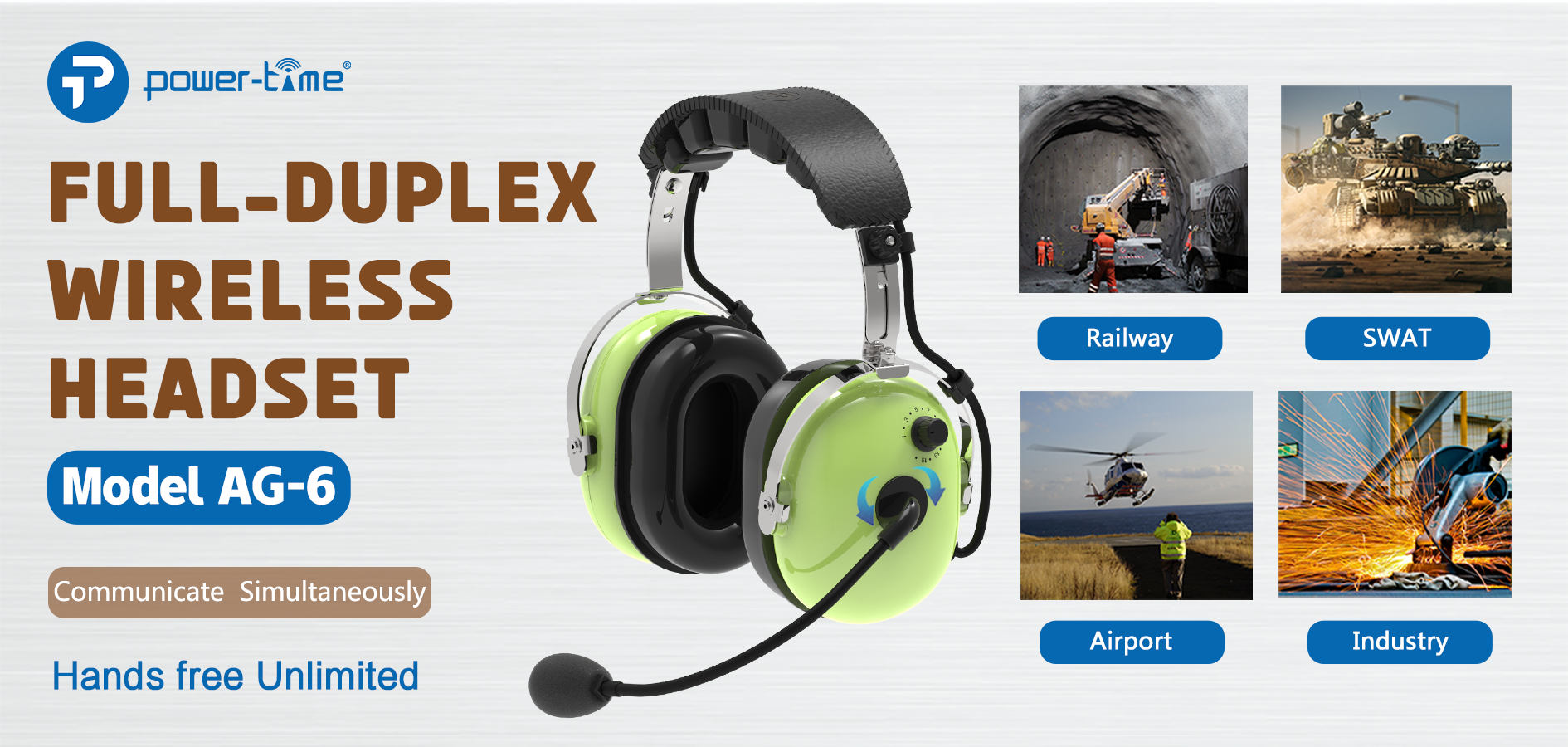
If your team works in demanding, high-noise environments and needs to communicate efficiently, the AG-6 Full-Duplex Headset is the solution. Offering clear, uninterrupted communication, noise-canceling features, and a comfortable design, the AG-6 is built for performance in even the toughest conditions. With its full-duplex capabilities, it allows your team to communicate seamlessly without worrying about delays or missing critical information.

How Push-to-Talk Systems are Revolutionizing Tactical Communication
Comparing PRC-148 Battery Options: What You Need to Know